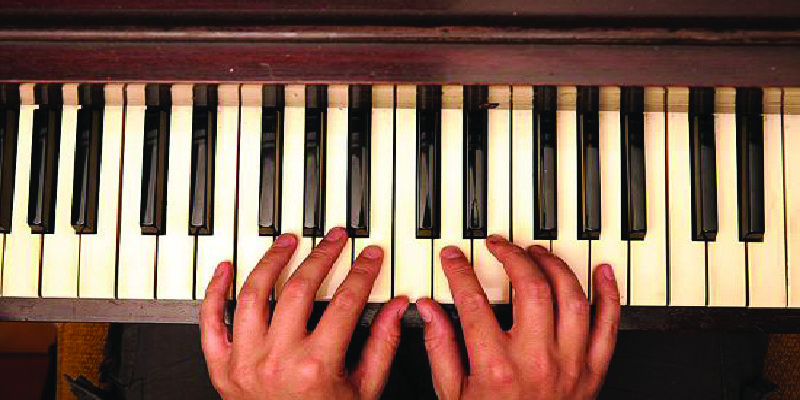
“I always tell my students that practicing is not about being perfect; it is about being consistent. A little bit of happy playing every day is much better than one long frustrating hour on the weekend.”
After the excitement of your first few piano lessons, you will hear me say the one word that can sometimes make new students groan: “practice”. For a lot of people, the word “practice” sounds like a chore, like something you have to do. I like to think of it as just “playing,” because that is what it should feel like. The goal is not to be perfect; the goal is to have a little bit of fun at the piano every day. This blog is my personal guide to helping you, or your child, build a simple and fun practice routine that works even if you have a very busy schedule.
So, What is the Biggest Mistake New Students Make When Practicing?
As a teacher, I see a lot of new students make the same one or two mistakes when they start to practice at home. The most common mistake is that they try to play a new composition too fast, too soon. When you are excited about a new piece of music, it is very tempting to try and play it at full speed right away. But this is like trying to run before you have learned how to walk. It usually leads to a lot of missed notes, a messy rhythm and a lot of frustration which can make you not want to practice at all. The real secret to learning a piece quickly is to start by playing it very, very slowly and correctly.
Another common mistake I see is that students will only play the “fun” parts of a piece and they will keep skipping over the tricky bits that they get wrong. It feels good to play the part of a composition that you are already good at, but you will never get any better if you do not face the hard parts. In my piano lessons for adults and children, I always say that the one or two bars of a piece that you are struggling with are the most important parts to practice. When you finally get that one hard part right, the whole rest of the composition will feel so much easier.
Every Parent Wonders the Same Thing: “How Can I Make Practicing More Fun for My Child?”
As a parent, you can do a lot to help make practice time a happy time for your child. It is all about making it feel less like work and more like play. Here are a few of the ideas that I share with the parents of the children who take my piano lessons in Bristol:
Make it a Fun Game
You can turn practice into a simple game to keep your child interested. For example, you can put a small candy or a sticker on the piano for every time they play a small section of a composition three times in a row without a mistake. You can also make it a “challenge” by timing them to see how long they can play without any errors. This makes it feel much more like a fun activity and less like a chore.
Celebrate All the Small Wins
It is very important that you celebrate every little progress your child makes, no matter how small it seems. Did they learn a new note today, or did they play one single bar of the piece correctly that they were struggling with yesterday? You should tell them that you noticed and that they are doing a great job. This positive feedback is so important for keeping a child motivated.
Let Them Be the Teacher
A fun game that you can play is to let your child be the “teacher” for five minutes. Ask them to teach you what they learned in their lesson that week. This is a great way for them to show off what they know, and it also helps them to remember the lesson much better because they have to explain it to you.
Let Them Choose Some of the Music
While it is very important for them to practice the pieces that their teacher gives them, it is also a good idea to let them pick a few of their own “fun” compositions. This could be a simple version of a composition or something they have heard somewhere. As a piano teacher in Bristol, I know that when a child has a personal connection to the music, they are much more excited to practice it.
But, How Can I Practice When I Only Have 15 Minutes a Day?
A lot of adult students have very busy lives with work and family taking up most of their time. The good news is that you do not need an hour every day to get better at the piano. A short and focused 15-minute practice can be very helpful. Here is how you can make the most of a short amount of time:
Have a Simple Plan Before You Start
When you only have 15 minutes, you do not want to waste any of it trying to figure out what to do. Before you sit down at the piano, you should have a very simple plan. For example, your plan could be: “Today, I am only going to work on the first four measures of my new piece.” This focus helps you get a lot done in a short time.
Focus Only on the Hard Parts
With a very limited amount of time, it is best to spend it on the one or two parts of a composition that are giving you the most trouble. Do not waste 15 minutes playing the parts of the piece that you already know how to play well. Go straight to that one tricky section and play it over and over again, very slowly, until it starts to feel a little bit easier.
Just Play for Fun Sometimes
It is also okay if you sometimes use your 15 minutes to just have fun. The best short practice can sometimes be to just sit down and play a composition that you already know and that you love to play. This helps to keep your connection to the music a happy one which is very important for all of my students who take adult piano lessons.
Lastly, What Does a Good Practice Routine Look Like?
A good practice session, whether it is long or short, usually has a few main parts. The first part is a quick warm-up. This can be as simple as playing a few five-finger scales up and down the keyboard to get your fingers moving and your brain ready to play. It is like doing a few small stretches before you go for a run and it is a good habit to get into.
After your warm-up, the main part of your practice should be spent on your new music. The best way to learn a new composition is to break it down into very small and manageable pieces. As a Bristol piano teacher, I often tell my students to learn a new composition just one or two bars at a time. Once you can play that one small part correctly a few times in a row then you can move on to the next small part. At the end of your practice, you can try to put the small pieces together.
Summary
The real goal of practicing the piano is not to be perfect; it is just to get a little bit better each day. For both children taking piano lessons for beginners and adults taking piano lessons for adults, the most important thing is to be consistent. So, by keeping your practice sessions fun, focused, and a regular part of your week, you will be very surprised at how much progress you can make over time.
Well, like always, the first step is the most important one and so is finding a teacher for your piano lessons in Bristol. Lucky for you, I am a piano teacher in Bristol, and you can contact me through this form right here.
 Sophia McKett